The Smithsonian is the latest target in President Trump’s culture war. By attacking exhibits and specific works featuring Black, queer and trans, immigrant, Latino, disabled art, histories, cultures, and people, the Trump-led billionaire agenda hopes to disparage and erase theses histories, cultures and people. Instead, it is showing itself to be their common enemy.
The Smithsonian Institution is a group of museums, education and research centers created by the U.S. government. In August, the White House announced an audit of the Smithsonian’s museums “to ensure alignment with the President’s directive to celebrate American exceptionalism” and to “remove divisive or partisan narratives,” then publicly denounced 22 Smithsonian exhibits as “anti-American.”
Ironically, the exhibits that the White House found reductive in fact speak to a broad people’s history of the country, from its founding in genocide and slavery to its imposition of expansionist imperialism on the rest of the continent. They speak to the realities of people who have been oppressed, brutalized and displaced by the United States. They highlight the efforts of these same people to survive and to transform that reality.
Rather than provide evidence that the Smithsonian is “divisive,” these exhibits provide testimony to people’s movements that have fought to broaden the country’s democratic space.
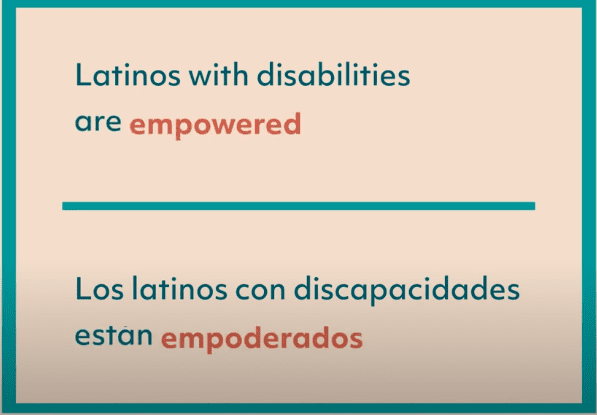
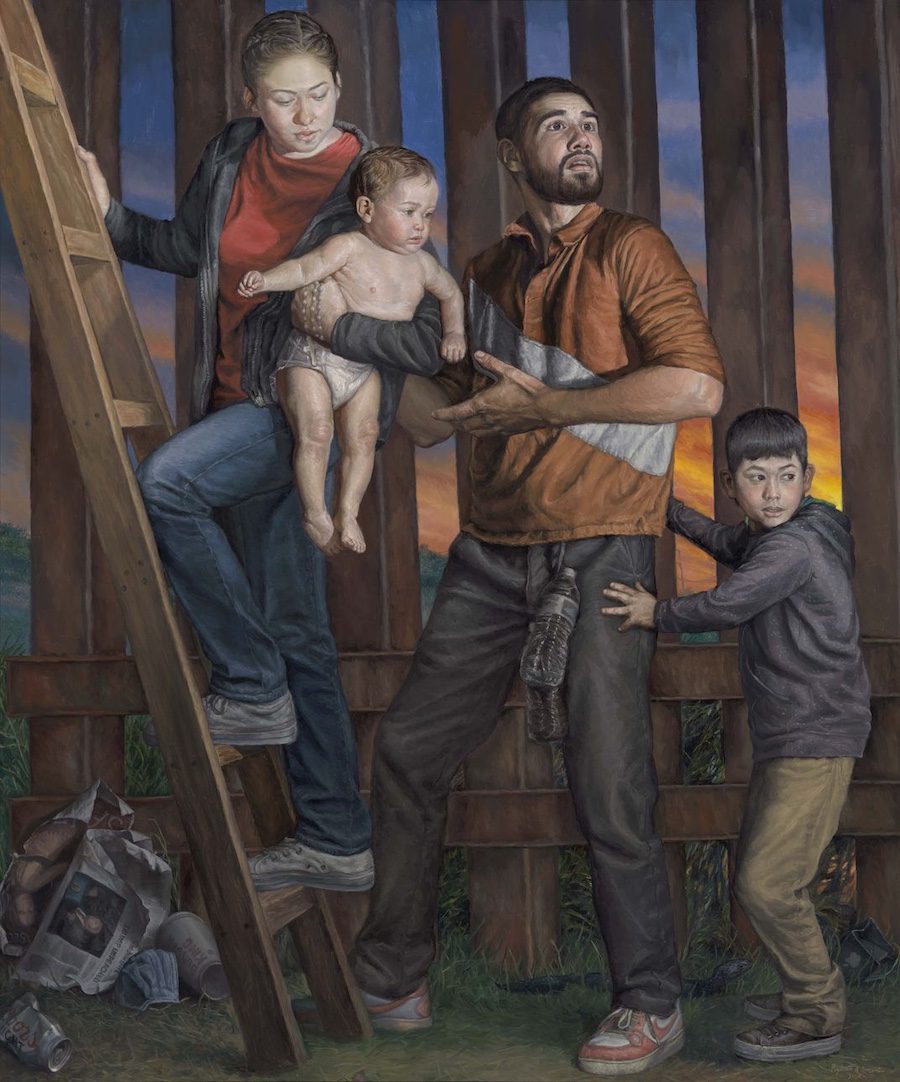
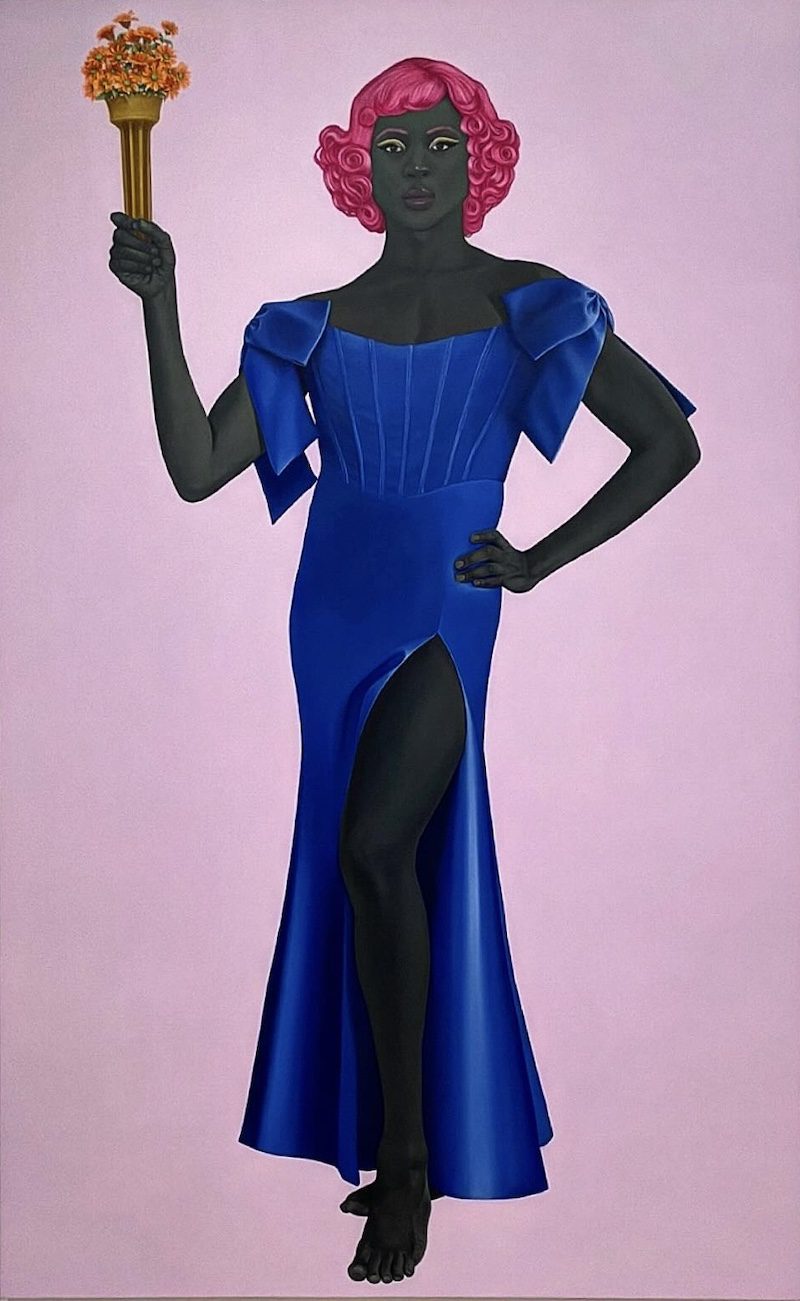
See the painting by Rigoberto Gonzalez titled “Refugees Crossing the Border Wall into South Texas.” See Amy Sherald’s painting of a Black, trans woman as the Statue of Liberty titled “Trans Forming Liberty.” See the bi-lingual animation “Thriving in Diversity: Latinas and Latinos with Disabilities.” The Trump While House found all of these works objectionable.
See the exhibit titled “¡Presente! A Latino History of the United States,” which Trump’s White House smeared for including a 20-second video clip of the PSL’s 2024 presidential candidate Claudia de la Cruz speaking about her experience as an Afro-Latina in the U.S.
As Trump himself acknowledges, his audit of the Smithsonian is part of his broader attack on the country’s cultural and ideological institutions. He wrote on Truth Social, “I have instructed my attorneys to go through the Museums, and start the exact same process that has been done with Colleges and Universities where tremendous progress has been made.”
The Trump administration’s attempts to ban pro-Palestinian speech on college campuses, dismantle the Department of Education, and his executive orders banning gender-affirming care for minors, transgender women from sports, and “unleashing” the police must be understood within the context of his flagship “Big Beautiful Bill” that is set to go into effect in 2026 with over $1 trillion in cuts to Medicaid and food stamps, met with $1 trillion dollars in tax cuts for the top 1% of earners over the next decade.
It is no coincidence that Trump is targeting Black, Latino, LGBTQ and disabled people’s histories and cultural expressions for removal at the same time that his administration openly assaults these communities.
Explicitly targeting the most vulnerable for removal from public life is, part and parcel with the mass deportations and military occupations of U.S. cities, a theater of cruelty. Its thuggishness acts as a cudgel against those who want to resist while distracting from Trump’s true agenda, which is to further enrich an already obscenely wealthy ruling elite at the expense of working people.
It is a classic divide and conquer tactic. Our response, then, must be clear that the root cause of our collective suffering is the capitalist system, of which Trump is just the latest symptom.
Trump wants to transform the country’s cultural institutions into right-wing ideological factories that will serve to reinforce his right-wing, ultra-capitalist agenda. His playbook has been outlined by the Heritage Foundation, the force behind Project 2025 and Project Esther, who launched a similar line of criticism against the Smithsonian in 2022. Russell Vought, a co-author of Project 2025, is Trump’s Director of the Office of Management and Budget, overseeing the country’s $7 trillion budget.
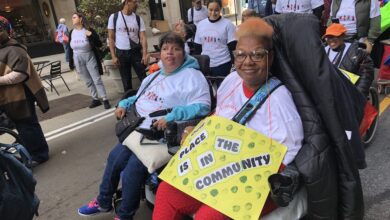
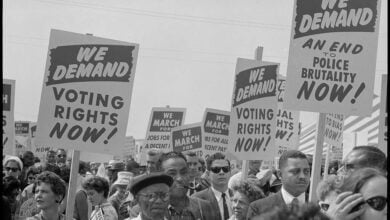
For the billionaires, rolling back the democratic and cultural gains of the Labor, Civil Rights, Women’s, LGBTQ, and Disability Justice movements of the early-to-mid-20th century means removing restrictions to their ability to exploit working class communities, reverting the country to an even more brutal form of capitalism.
But these movements, along with the 2006 Day Without an Immigrant and 2014 and 2020 Black Lives Matter uprisings, show that we have routinely revolted and ignited broader movements for a just social, political, and economic transformation of the country, which is what the billionaires fear the most.
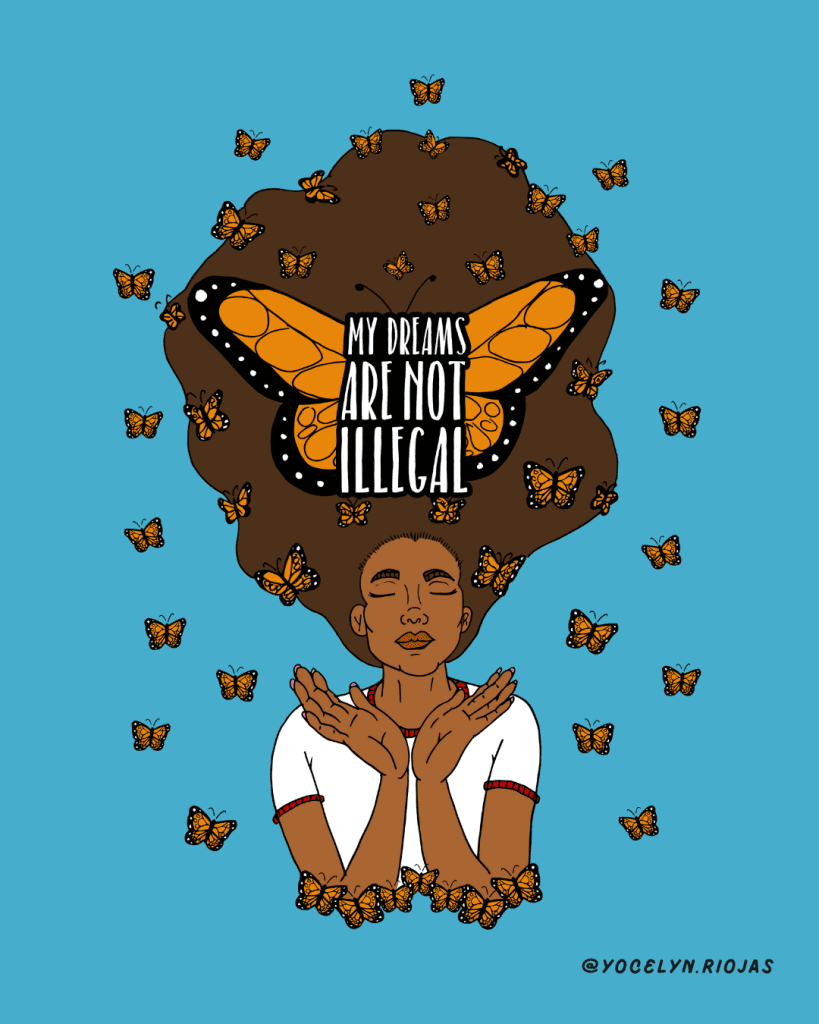
So we must continue to organize and resist. As the people fight back, the role of artists and cultural workers is to provide expression to this growing culture of struggle. As Yocelyn Riojas said in an interview with Texas Public Radio after her poster highlighting the Dreamer Movement, “My Dreams Are Not Illegal,” was targeted by the Trump White House, “It just shows our voices are just so powerful. I think maybe this is a time to connect, to network, and also, again, just keep on building our art and their campaigns against this.”
Let the art that is under threat of censorship remind us that it is the united masses of people, not billionaires, who are the greatest power.