The beginning of my disability journey was the scariest time of my life. Looking back, those months changed me forever. They taught me resilience, strengthened my determination and showed me how important it is for patients to be heard, believed and treated with dignity. They also marked the beginning of a journey that transformed not only my life, but my understanding of disability, justice and the fight for liberation. That’s why my story is not simply about becoming paralyzed. It is about discovering a new purpose through community and collective struggle.
In 2024, at 28 years old, I found myself in and out of hospitals without understanding what was happening to my body. What started as unexplained symptoms quickly became something much more serious. I went through MRIs, neurological tests, specialist appointments, hospital stays and rehabilitation, hoping each doctor would finally have an answer. Instead, every test seemed to bring more uncertainty.
The hardest part wasn’t just losing my ability to walk — it was not knowing why it was happening. I remember lying in hospital rooms wondering if I would ever get my life back or what my future would look like. Rehabilitation became more than physical therapy. It was where I began rebuilding my life while learning to live with uncertainty, advocate for myself, and move forward despite not having all the answers.
Discovering a new purpose
Becoming disabled changed my life, but it also changed how I understand justice. I believe disability liberation is inseparable from the broader fight for equality, dignity and human rights. As I continue my own journey I remain committed to organizing alongside others to build a future where disabled people are not left behind but are recognized as leaders in the struggle for liberation.
As I continue this journey, I know my story is only one among millions. The more I organize, the more I realize that disability liberation is about building relationships, creating community and ensuring that no disabled person has to face these struggles alone. Every conversation, every community event and every opportunity to educate others reminds me that our movement grows when we come together.
A journey I never expected
When I eventually became paralyzed from a non-traumatic spinal cord injury, I realized my life had changed forever. Everything I had imagined for my future suddenly looked different. The goals I once had didn’t disappear, but I would have to pursue them in ways I had never expected.
As I began adjusting to life in a wheelchair, I quickly learned that disability was about much more than my medical condition. I was entering a world shaped by accessibility, healthcare, public policy and the fight for civil rights. Although I was still grieving what I had lost, I was also beginning to discover a new community, a new perspective and ultimately a new purpose.
Looking back, I can see this journey was never just about learning to live with paralysis. It became a journey of understanding disability, finding my voice and deepening my commitment to organizing for liberation.
Rebuilding my life
Rebuilding my life hasn’t happened overnight. It’s been a process of adapting to a reality I never imagined I would face.
When I entered inpatient rehabilitation, I realized that every day would bring new challenges. I had to learn how to use a wheelchair, manage neurogenic bowel and bladder, recognize the signs of autonomic dysreflexia and adjust to a completely different way of living. Things I had once taken for granted now required patience, planning and determination.
The emotional recovery was just as difficult as the physical one. I grieved the life I thought I was going to have and struggled with the uncertainty of my future. But rehabilitation taught me something I never expected: independence doesn’t disappear because your body changes — it evolves. Every challenge I overcame reminded me that rebuilding my life wasn’t about becoming the person I was before. It was about discovering the person I was becoming. That realization gave me hope and became the foundation for the next chapter of my life.
Seeing disability through a new lens
As I became more independent, I also began to see my disability differently. At first, my focus was simply on surviving and adapting. But over time, I began to notice inaccessible buildings, unreliable transportation and the everyday obstacles that make it harder for disabled people to participate fully in our communities. I also realized that disability is about more than a medical diagnosis. It is about whether society is willing to remove barriers and ensure everyone has the opportunity to live with dignity and independence.
That realization changed everything. I stopped asking only, “Why did this happen to me?” and started asking, “Why are disabled people still fighting so hard for rights, accessibility and equality?” Those questions led me to the history of the disability rights movement and ultimately learning that many of the challenges I faced weren’t caused by my disability alone — they were created by barriers that existed long before I became disabled.
Disability taught me that politics are personal
Before becoming disabled, I understood politics through organizing and advocating for change, especially in the movement against police brutality. After my spinal cord injury, politics became part of my everyday life.
I quickly realized that many of the challenges I faced weren’t just medical, they were political. Whether I could access healthcare, rehabilitation medical equipment, accessible transportation or the support needed to live independently, all these depended on decisions made by our government and the priorities of our society.
Living with a disability showed me that disability justice is connected to so many other struggles. Healthcare, housing, public transportation, education workers’ rights and economic justice all shape whether disabled people can live with dignity and participate fully in their communities.
Finding my place in the Disability Rights movement
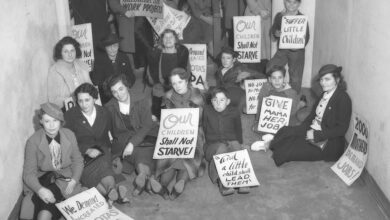
As I became more involved in the disability community, I realized that the rights I have today didn’t happen by accident. Instead, these were won because disabled people organized, protested and refused to accept discrimination.
I learned about the 504 Sit-In, the Independent Living Movement, the Capital Crawl, and the fight for the Americans with Disabilities Act. I also began researching Wisconsin’s disability rights history and discovered that people in my own state helped lead the struggle for accessibility, independent living and equal rights. Their courage reminded me that lasting change comes from ordinary people organizing together.
Learning this history changed how I saw myself. I realized I wasn’t just living with a disability—I had become part of a movement with a long history of resistance, solidarity, and collective action. It inspired me to continue building on the work of those who came before me.
Finding my voice again
I realized my story could become something more than a personal experience. It could help others understand what disabled people face every day.
I’ve begun sharing my journey publicly not because I want sympathy but to educate people about disability, accessibility and the barriers that still exist. The more I speak with other disabled people the more I realize that many of us share similar experiences with healthcare access and the constant need to advocate for ourselves.
Those conversations changed me. They showed me that I wasn’t alone and that my voice could strengthen a much larger movement. I stopped seeing myself only as a patient or someone recovering from a spinal cord injury. I began seeing myself as an advocate, an organizer and someone with a responsibility to speak out.
As I found my voice, I also found a deeper sense of purpose.
Through my organizing with the Party for Socialism and LIberation, I came to see that disability liberation is inseparable from the broader struggle for justice. I began helping organize Disability Pride Month events, educating others about disability history and encouraging disabled people to become organizers and leaders in our own communities.
Organizing Disability Pride in Wisconsin
Helping organize Disability Pride Month in Wisconsin has become one of the most meaningful parts of my journey. For me, it is about more than celebrating disability identity, it is about educating our communities, building relationships and strengthening the movement for disability justice.
I have also spent time researching Wisconsin’s disability rights history to connect today’s organizing with struggles of those who came before us. Their victories remind me that progress is never given, it is won through collective action.
Every event, community conversation, and act of organizing is an opportunity to bring more people into the movement and continue the fight for accessibility equality and liberation.
Disability liberation is a working-class struggle
My journey is far from over. I continue to navigate life with a non-traumatic spinal cord injury, ongoing medical care and new challenges but I no longer let those challenges define my future.
Today, I move forward with hope and purpose. My goal is not only to continue rebuilding my own life but also to help build a stronger disability movement, one where disabled people are empowered to organize, lead and fight for a more just and accessible society.
To me, disability liberation is about more than accessibility. It is about building a society where everyone’s basic needs are met and where disabled people are recognized as equal participants in every community. Liberation cannot leave disabled people behind because disability justice is essential to the broader struggle for equality. Healthcare, affordable housing, reliable transportation, education and community are necessities for all.
Read “Disability and Empire: Class, U.S. Imperialism and the struggle for disability justice” to further explore a Marxist perspective on disability justice.